'%3e%3cuse%20fill='%23fff'%20xlink:href='%23a'/%3e%3c/g%3e%3c/svg%3e) North of Dijon, Côte-d'Or, Burgundy
North of Dijon, Côte-d'Or, Burgundy'%3e%3cuse%20fill='%23fff'%20xlink:href='%23a'/%3e%3c/g%3e%3cg%20transform='translate(-1356%20-18)'%3e%3cuse%20fill='%2323272a'%20xlink:href='%23b'/%3e%3c/g%3e%3c/svg%3e)



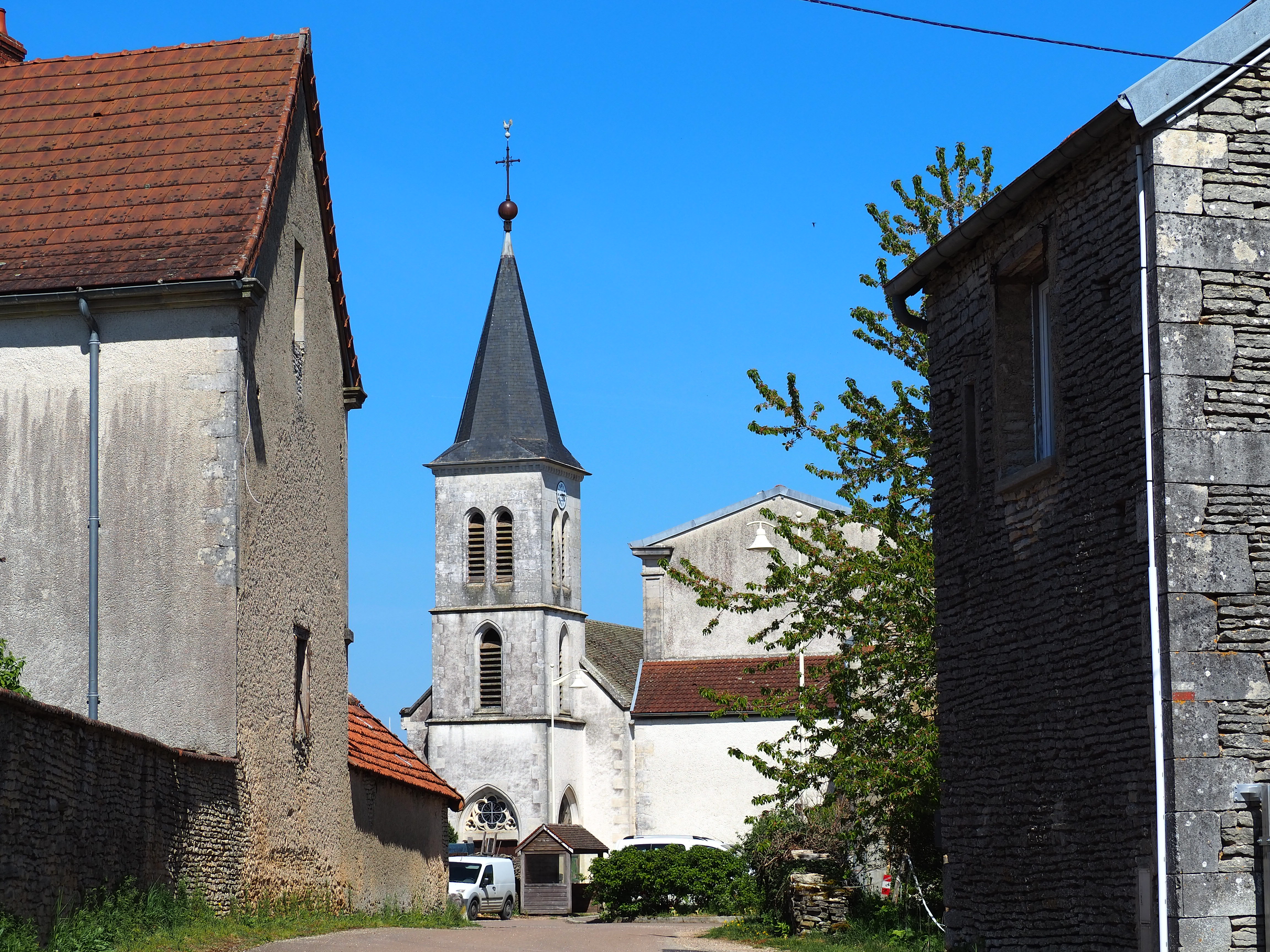
Village de Poiseul-lès-Saulx
En quelques mots
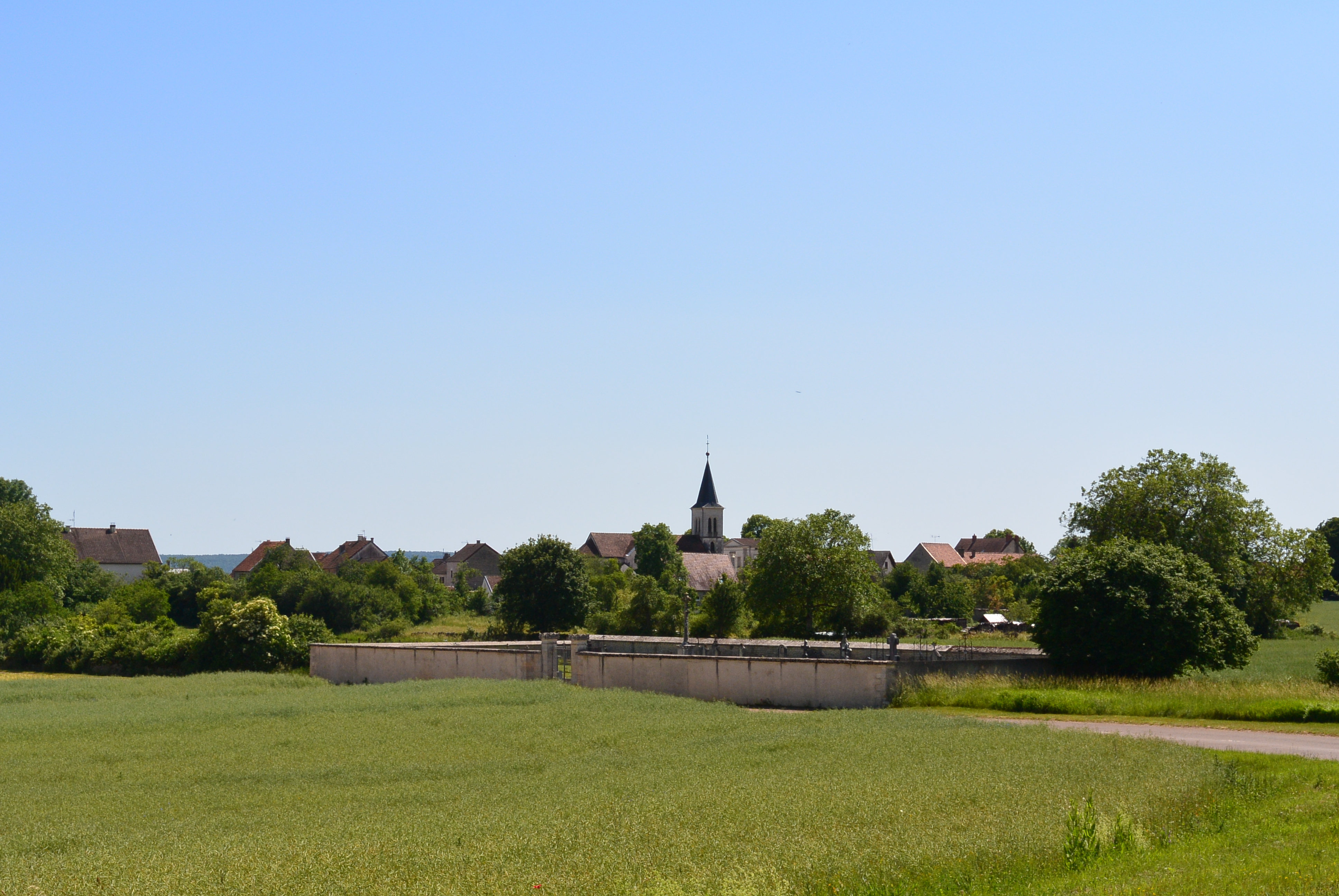
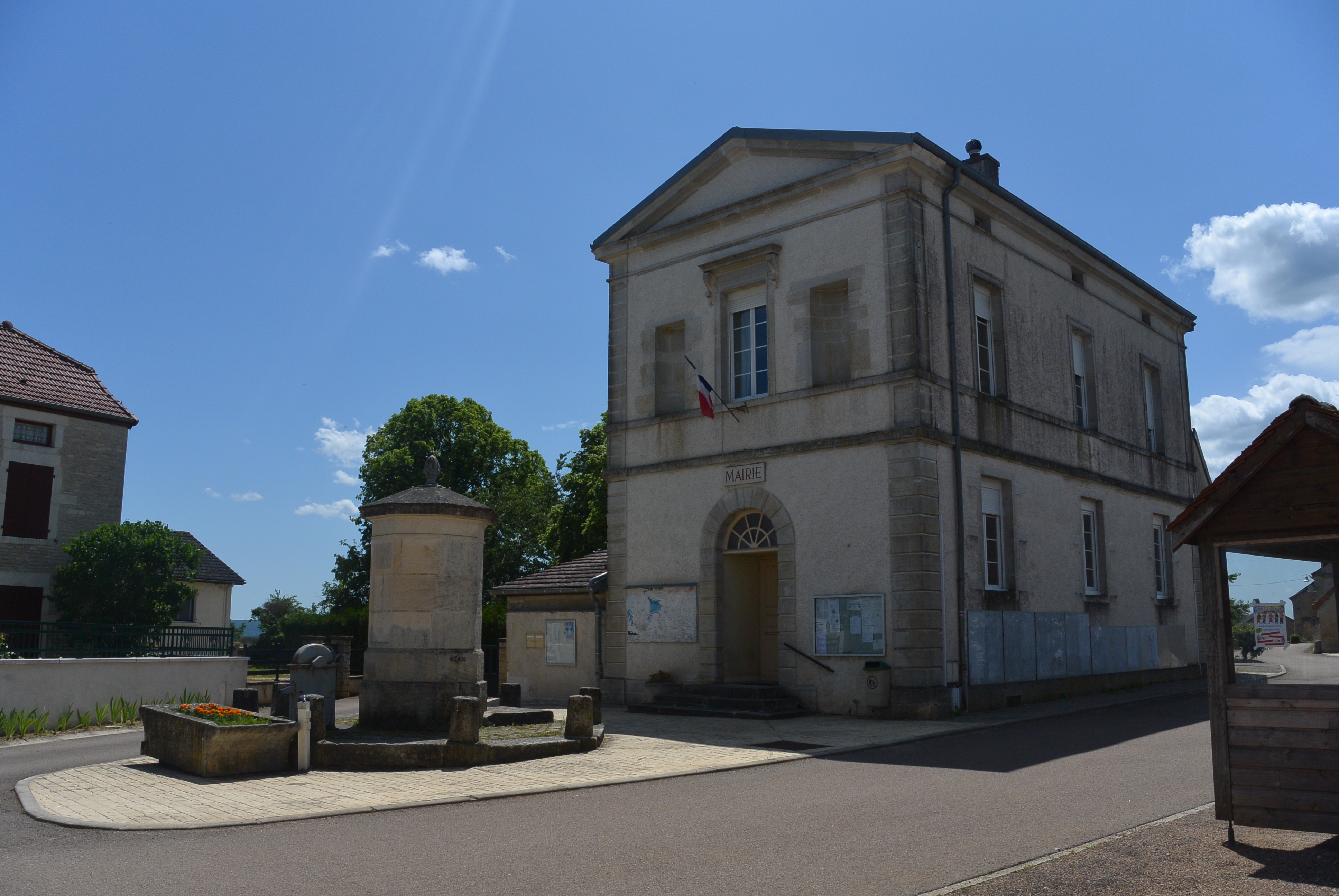
A charming village to the north-west of Dijon, around fifteen kilometres from Is-sur-Tille.
Hemp has been grown and processed here since 1500. In Champignolle, the old production and processing site, 3 km outside the village, has been restored and developed (wash-house, spinning wheels, picnic area, car park, landscaped trail). Within the village, the oratory and neo-Gothic church are well worth a visit.
The oratory dedicated to the God of Pity is situated to the left of the entrance porch to the church, surrounded by greenery. It was erected in 1787 at the request of Marie Nicolas Amable Chaignet, a prominent villager. The ceiling of the niche is decorated with a large scallop shell, a reference to the Pilgrim's Way to Santiago de Compostela, which passes through the village.
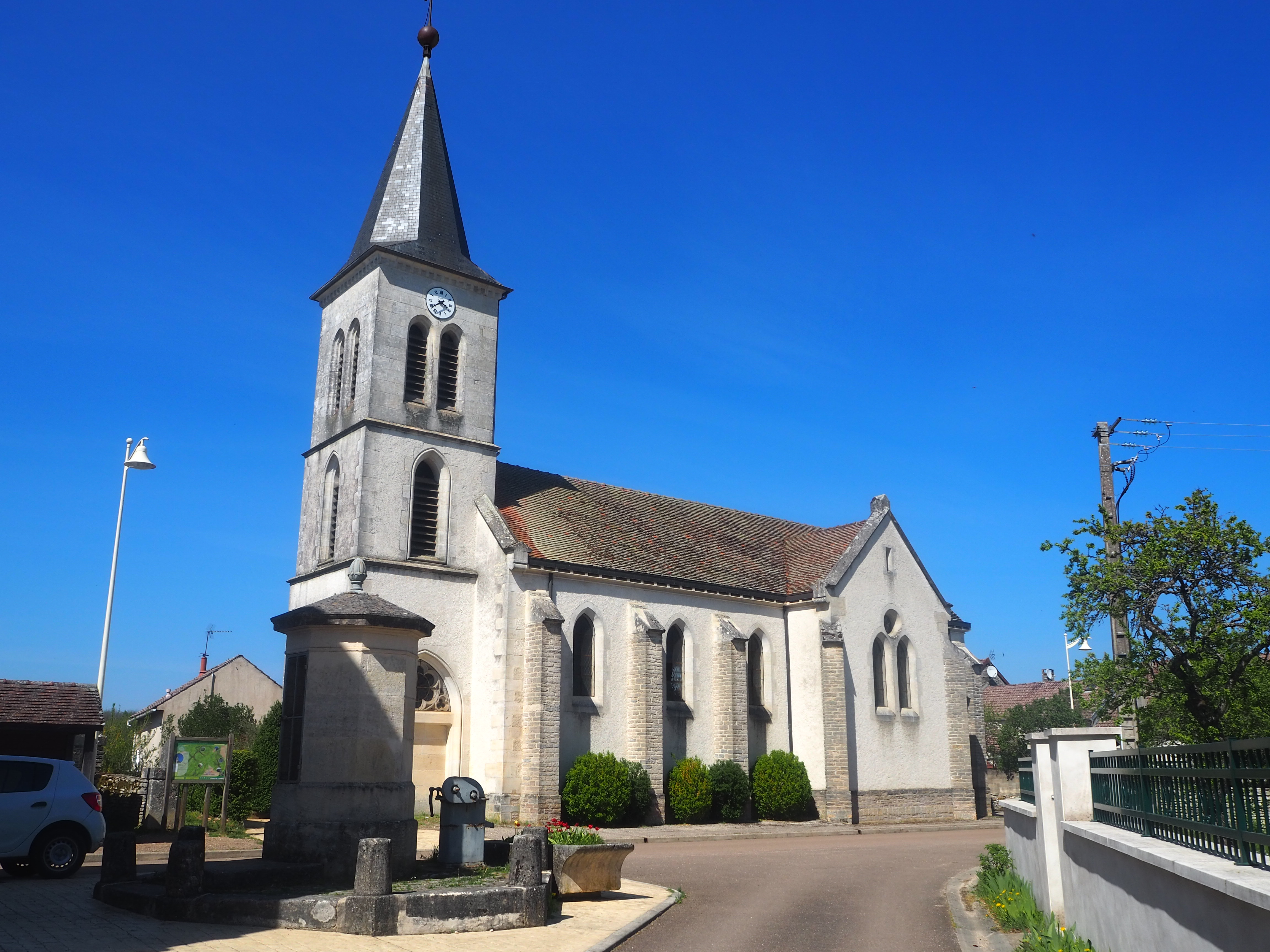
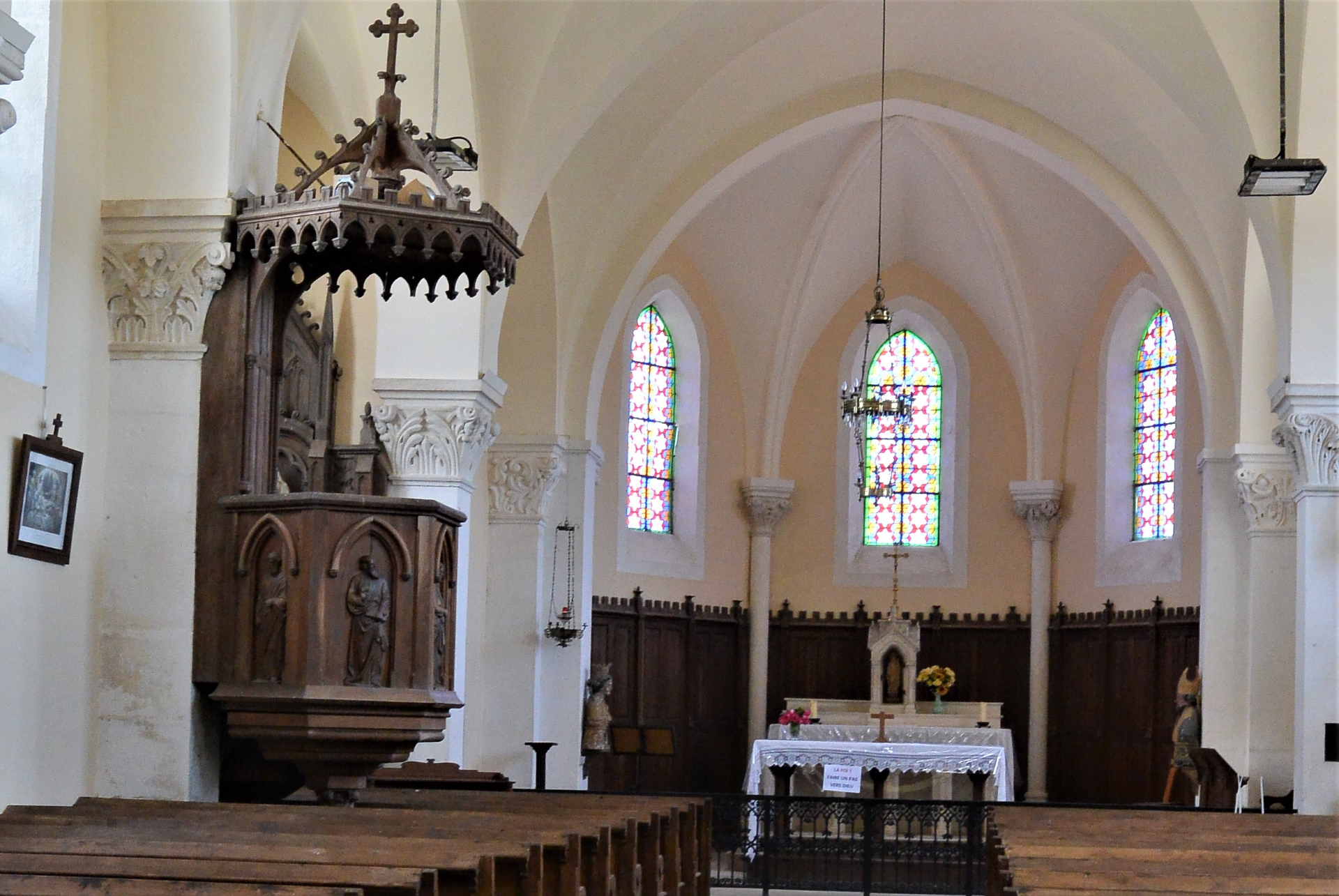
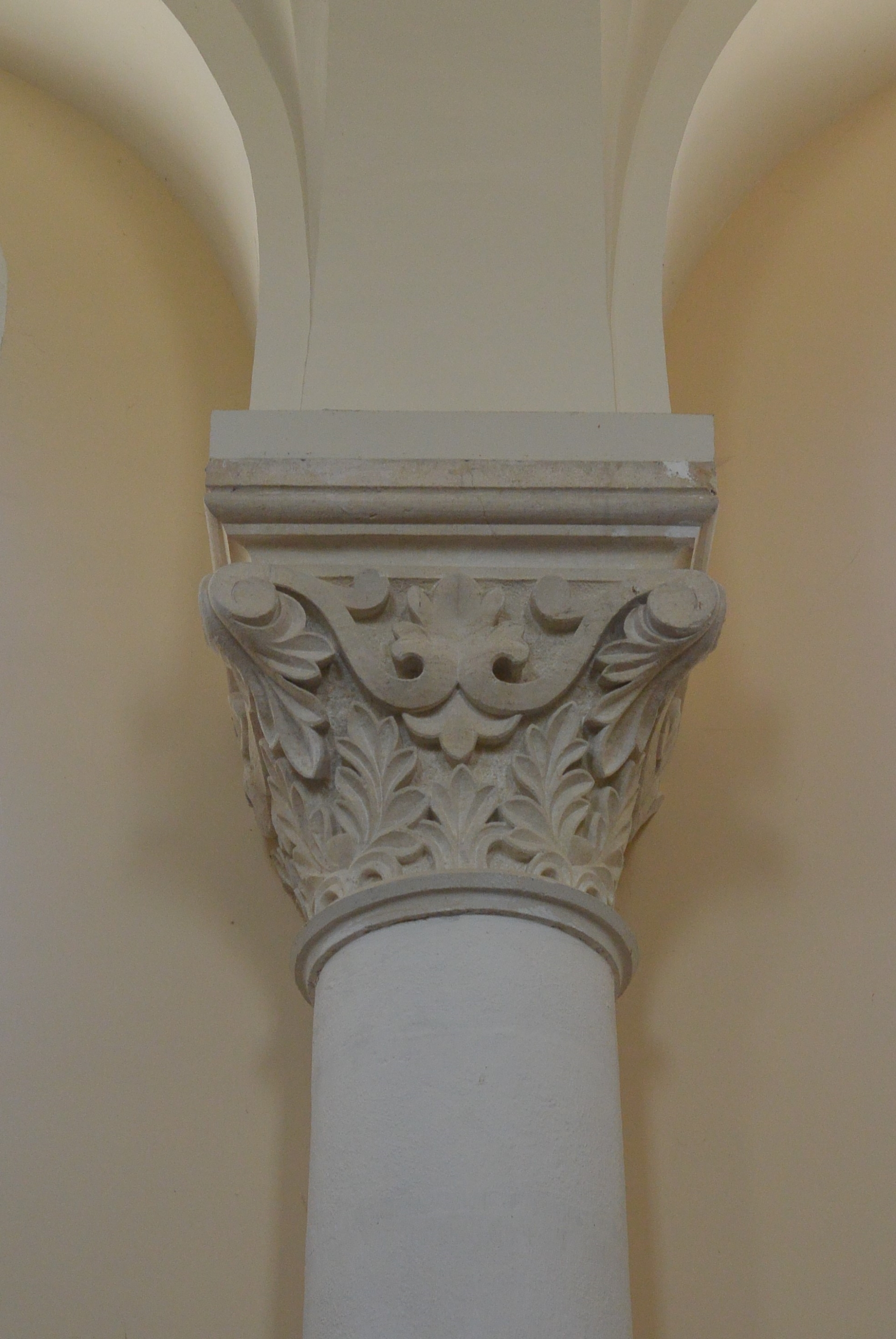
Notre-Dame Church. Rebuilt in the mid-19th century, the current church is in the neo-Gothic style. Although it has preserved some older furnishings, most of it and the stone and wood carvings date from the 19th century (by Burgundian sculptor Jules Schanoski).
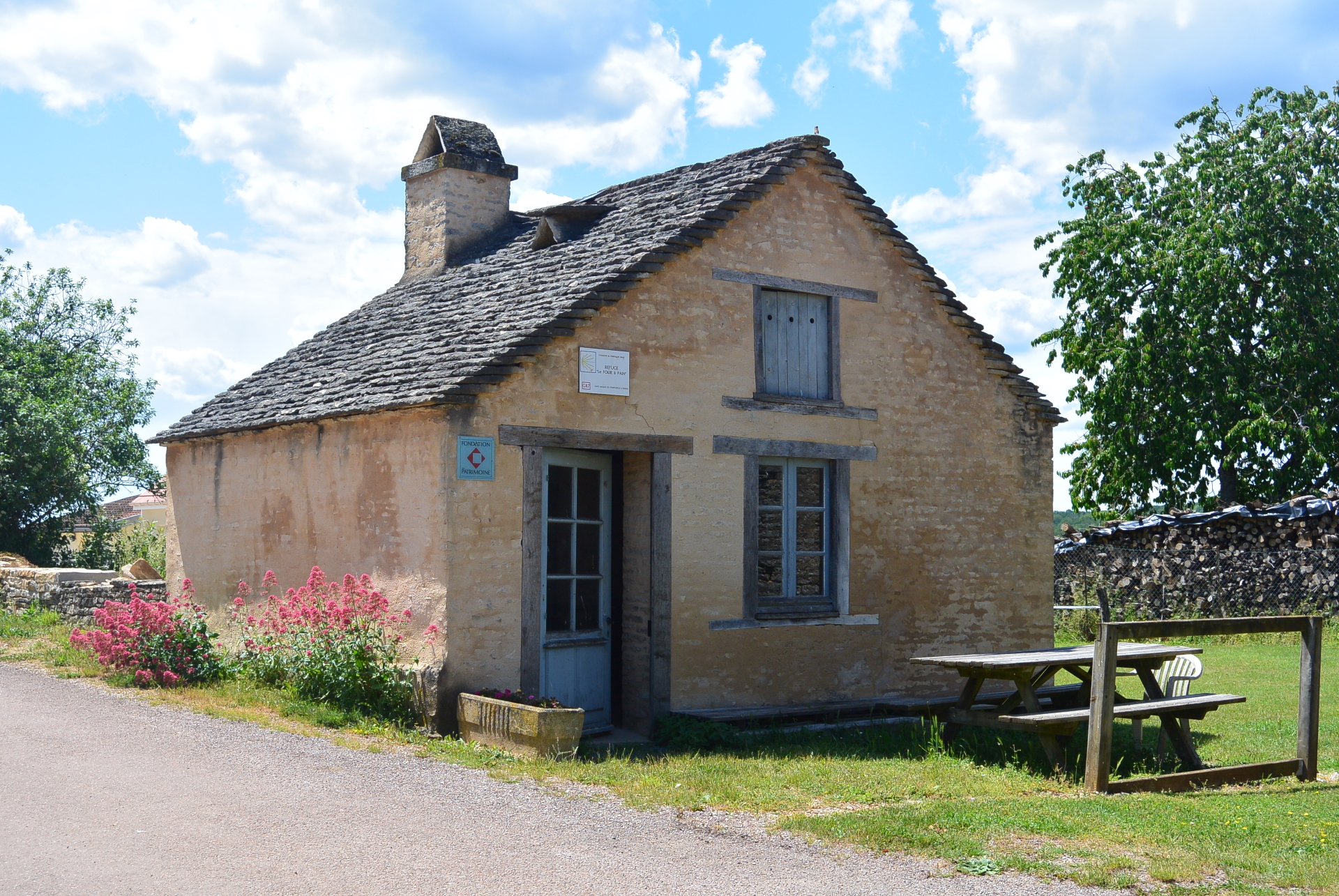
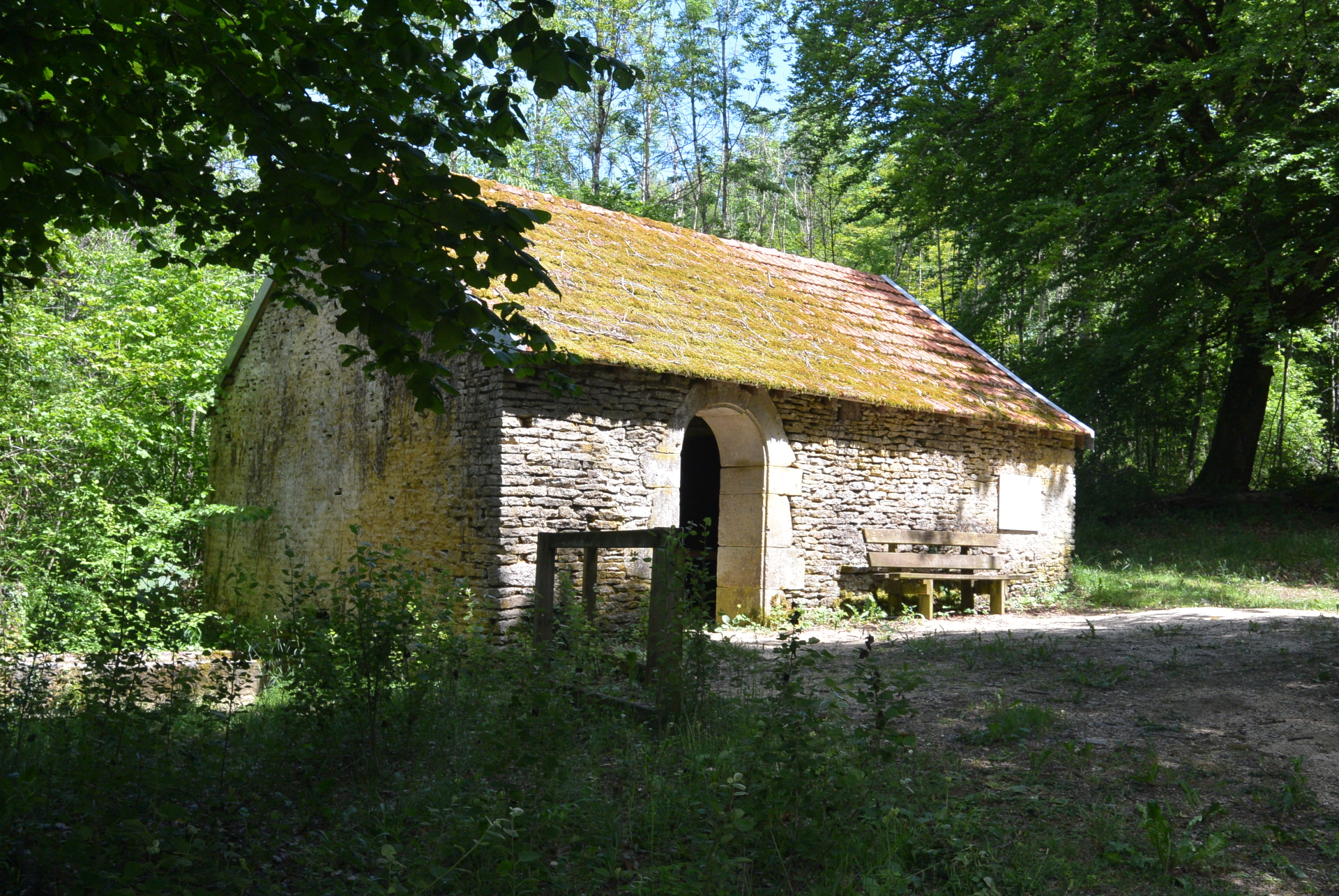
For walkers, the old baker's oven has been restored to provide shelter. The village is criss-crossed by the GR7, also the Pilgrim's Way to Santiago de Compostela. There is also a "springs" walking trail (approx. 10 km) and the "puits de Bois", which gave Poiseul its name (500 m outside the current village).
Hemp has been grown and processed here since 1500. In Champignolle, the old production and processing site, 3 km outside the village, has been restored and developed (wash-house, spinning wheels, picnic area, car park, landscaped trail). Within the village, the oratory and neo-Gothic church are well worth a visit.
The oratory dedicated to the God of Pity is situated to the left of the entrance porch to the church, surrounded by greenery. It was erected in 1787 at the request of Marie Nicolas Amable Chaignet, a prominent villager. The ceiling of the niche is decorated with a large scallop shell, a reference to the Pilgrim's Way to Santiago de Compostela, which passes through the village.
Notre-Dame Church. Rebuilt in the mid-19th century, the current church is in the neo-Gothic style. Although it has preserved some older furnishings, most of it and the stone and wood carvings date from the 19th century (by Burgundian sculptor Jules Schanoski).
For walkers, the old baker's oven has been restored to provide shelter. The village is criss-crossed by the GR7, also the Pilgrim's Way to Santiago de Compostela. There is also a "springs" walking trail (approx. 10 km) and the "puits de Bois", which gave Poiseul its name (500 m outside the current village).
 Contact details
En images

'%20fill='%23FFFFFF'%3e%3cg%20id='pagination'%20transform='translate(449.000000,%202475.000000)'%3e%3cg%20id='suivant'%20transform='translate(482.000000,%200.000000)'%3e%3cpath%20d='M25.9927007,36.3068182%20L31.7408759,41.9886364%20C32.0693447,42.3295472%2032.4890485,42.5%2033,42.5%20C33.4744549,42.5%2033.8759108,42.3295472%2034.2043796,41.9886364%20L40.0072993,36.3068182%20C40.3357681,35.9659074%2040.5,35.5587145%2040.5,35.0852273%20C40.5,34.6117401%2040.3357681,34.2045472%2040.0072993,33.8636364%20C39.6788305,33.5227256%2039.2591266,33.3522727%2038.7481752,33.3522727%20C38.2372237,33.3522727%2037.8175199,33.5227256%2037.4890511,33.8636364%20L34.7518248,36.5909091%20L34.7518248,24.2613636%20C34.7518248,23.7689369%2034.5784689,23.3522744%2034.2317518,23.0113636%20C33.8850348,22.6704528%2033.4744549,22.5%2033,22.5%20C32.5255451,22.5%2032.1149652,22.6704528%2031.7682482,23.0113636%20C31.4215311,23.3522744%2031.2481752,23.7689369%2031.2481752,24.2613636%20L31.2481752,36.5909091%20L28.5109489,33.8636364%20C28.1824801,33.5227256%2027.7627763,33.3522727%2027.2518248,33.3522727%20C26.7408734,33.3522727%2026.3211695,33.5227256%2025.9927007,33.8636364%20C25.6642319,34.2045472%2025.5,34.6117401%2025.5,35.0852273%20C25.5,35.5587145%2025.6642319,35.9659074%2025.9927007,36.3068182%20Z'%20id=''%3e%3c/path%3e%3c/g%3e%3c/g%3e%3c/g%3e%3c/g%3e%3c/svg%3e)